Harbin 
Harbin’s current most well known event is the Ice Sculpture festival. Whilst this is a grand event to see there is a long history to Harbin.
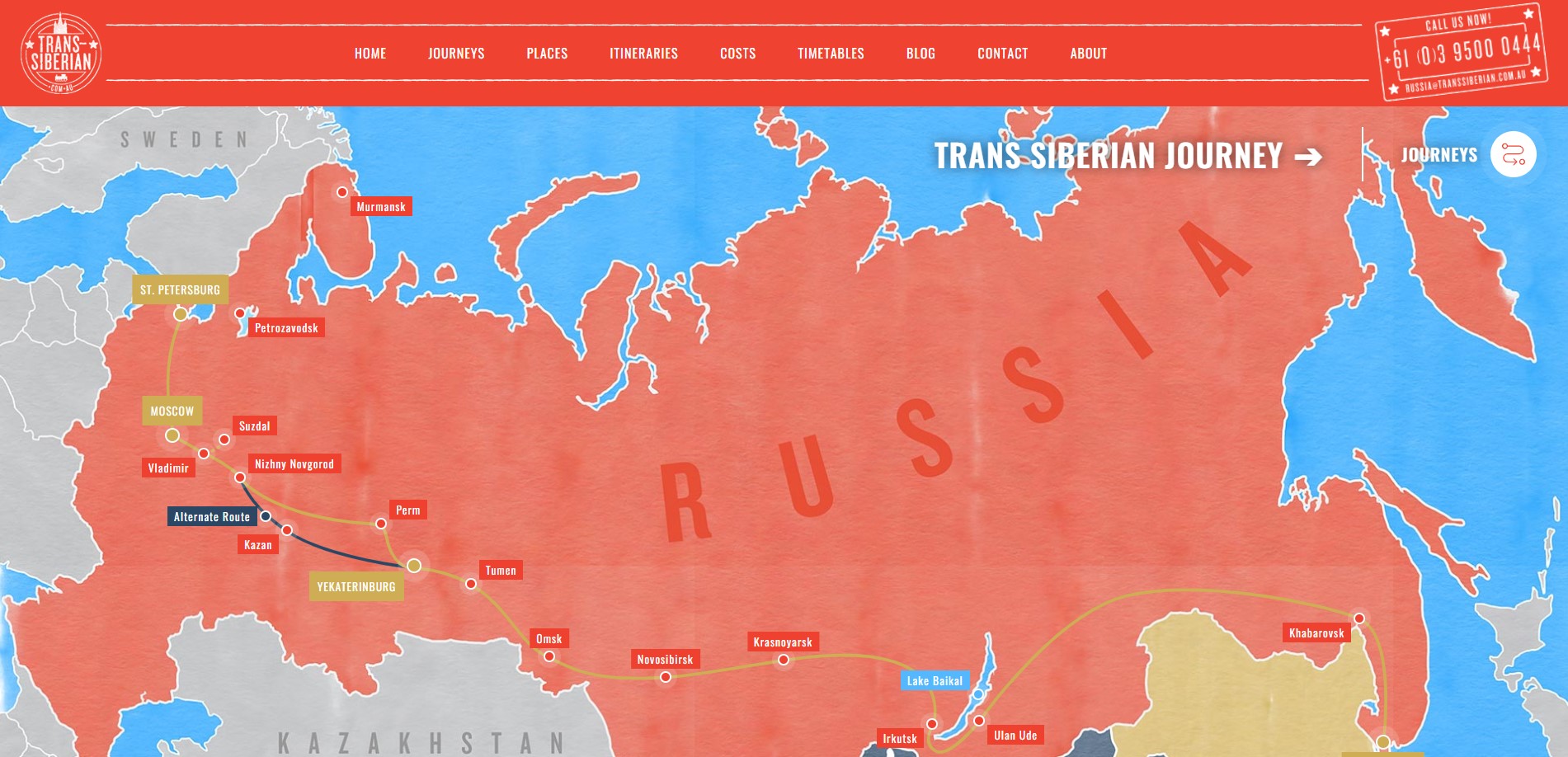
In 1896, the Russian government seized part control of the area to extend its Siberian railway into Northeast China, and chose Harbin as the management center of the new section of the railway. With the gradual completion of the railway construction project, Harbin's population expanded quickly. By 1903, when the railway was completed, the modern city was starting to take shape. At that time, Harbin was divided into two sections. The first, the current Daowai District, was under the control the Qing government. The second, roughly equivalent to today's Daoli and Nangang districts, was governed by Russian colonists, who rented it on the pretext of managing the railway.
Following their defeat in the Russo-Japanese War (1904-5), Russia's influence declined, and 160,000 nationals from 33 countries including the United States, Germany and France moved to Harbin. Sixteen countries established consulates and set up several thousand industrial, commercial and banking companies in Harbin. Chinese also established their own businesses in brewing, foodstuffs and the textile industry. Harbin established its status as the center of Northeast China and an international metropolis.
Zhongyang Dajie (Central Street), one of the prime business streets in Harbin, is a perfect witness to the bustling international business activities at that time. The 1.4km street is a veritable museum of European architectural styles, including Baroque and Byzantine facades, little shops of Russian bread, French fashion houses, American snack food outlets, Japanese restaurants and a Christian church. Believing this church had damaged the local fengshui, the Chinese community donated money and built a Chinese monastery, the Jile Temple.
In the 1930s, when Northeast China was part of the Japanese puppet kingdom of Manchukuo, Harbin was directly under the control of that state's Central Government. Harbin residents were forced to learn Japanese and suffered political prejudice under the virtual Japanese rule. During the Second World War the notorious Japanese 731 Division, a germ warfare experimental base, was located here, killing many Chinese and other nationals.
After the founding of the New China in 1949, Harbin quickly recovered from the war and rose to be one of the few major economic cities in China. It also provided strong backup to the Chinese army fighting the Americans in North Korea in the early 1950s.
After the opening up and reform of China in late 1970s, Harbin, along with the rest of China, enjoyed enormous progress in economy and urban construction. The city grew into a major river port and has sponsored eight international trade fairs and the third Asian Winter Games.
In 1996, the State Council incorporated the Songhua River Region into Harbin, increasing the city's population to 9.47 million. In terms of population, the city became the largest city in Northeast China.
Ice Festival
The Harbin Ice and Snow Festival, held on January 5 every year, reflects the city's economic development and its unique culture. The festival is a unique event and each year, many tourists from home and abroad, especially those who have never seen ice and snow, will come to the event to enjoy the magic ice sculptures made by the Harbin people. Various sice lanterns will be shown in the Harbin Ice Lantern Park and snow sculptures will be on display at the Sun Island in the city. Aside from the ice art exhibition, a series of activities will be held including, winter swimming, ice hockey, skiing and trade fairs.
|