Omsk
Omsk was originally a fortress and the military headquarters of the Cossack regiments of Siberia, as well as a place of exile. Dostotevsky wrote Buried Alive in Siberia based on his time in Omsk, probably not the best kind of publicity for a place to have!
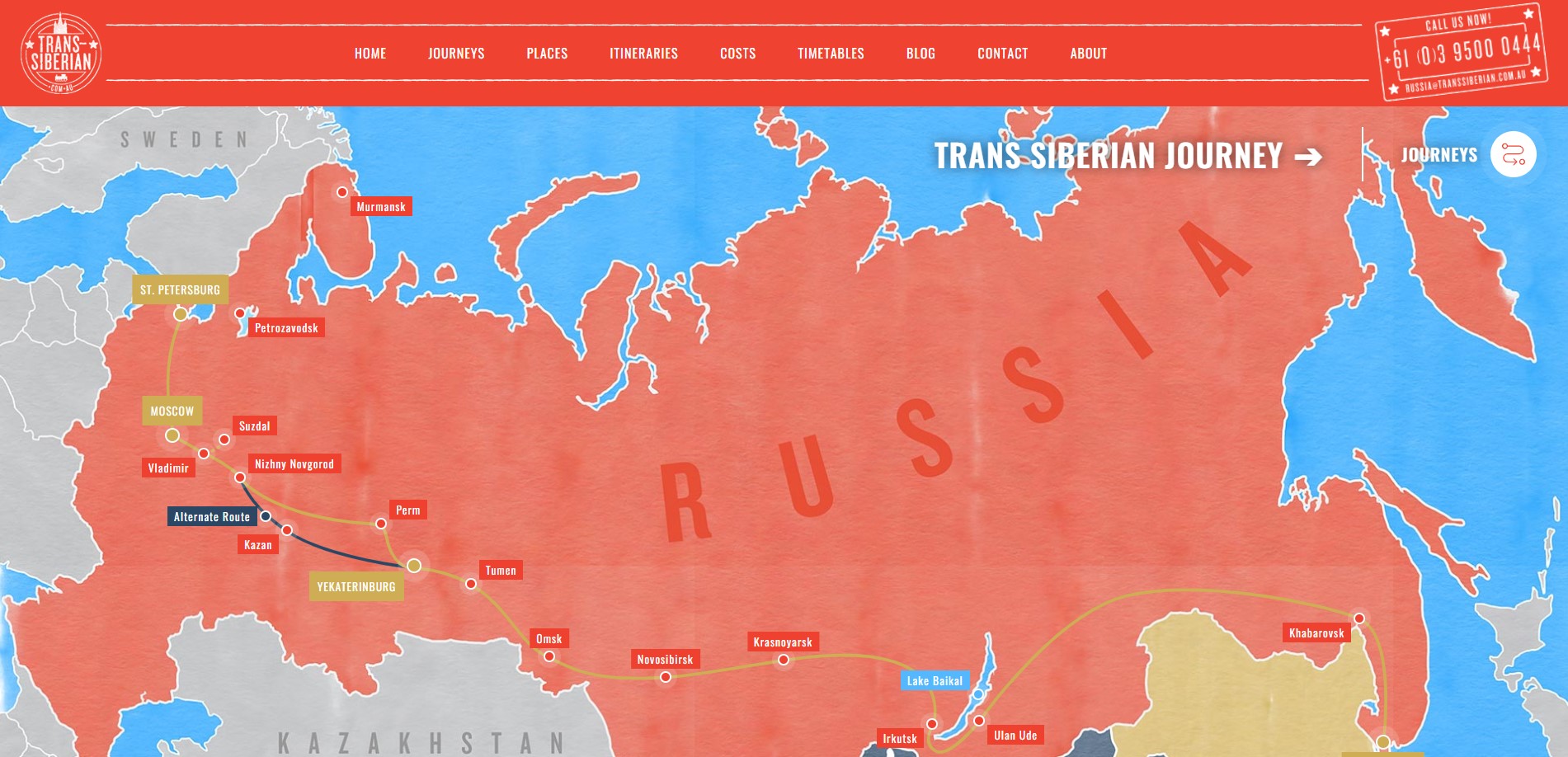
Omsk is the Capital city, economic and cultural centre of the Omsk oblast (region), Russian Federation; population (2002) 1,156,800. Omsk is located at the junction of the Om and Irtysh rivers and lies on the Trans-Siberian Railway, 900 km/559 mi east of Yekaterinburg. The city is a major industrial and commercial centre of west Siberia. It contains engineering works, oil refineries (linked with Tuimazy in Bashkortostan by a 1,600-km/1,000-mi pipeline), wood-processing plants, and various food and other light industrial factories.
Omsk was founded in 1716 as a Cossack fortress guarding Russia's southern boundary. It became a town in 1782, provincial capital in 1822, and administrative centre of the Steppe territory in 1882. After the Trans-Siberian Railway reached Omsk in the mid-1890s, it grew into the commercial centre of west Siberia and the largest Siberian city at that time. It experienced rapid industrial development following World War II.
In the 19th century, Omsk was a place of internal exile; the writer Fyodor Dostoevsky was imprisoned here 1849–53. The Bolsheviks were overthrown here in 1918, and for over a year it was the centre of anti-Bolshevik struggles in Siberia and the seat of Admiral Alexander Kolchak's White government. It then became, until 1922, the headquarters of the Bolshevik Siberian Revolutionary Committee.
 |
 |
 |
Omsk Church Sunset |
Omsk Sports Event |
Omsk Street Sculpture |
|