Tyumen


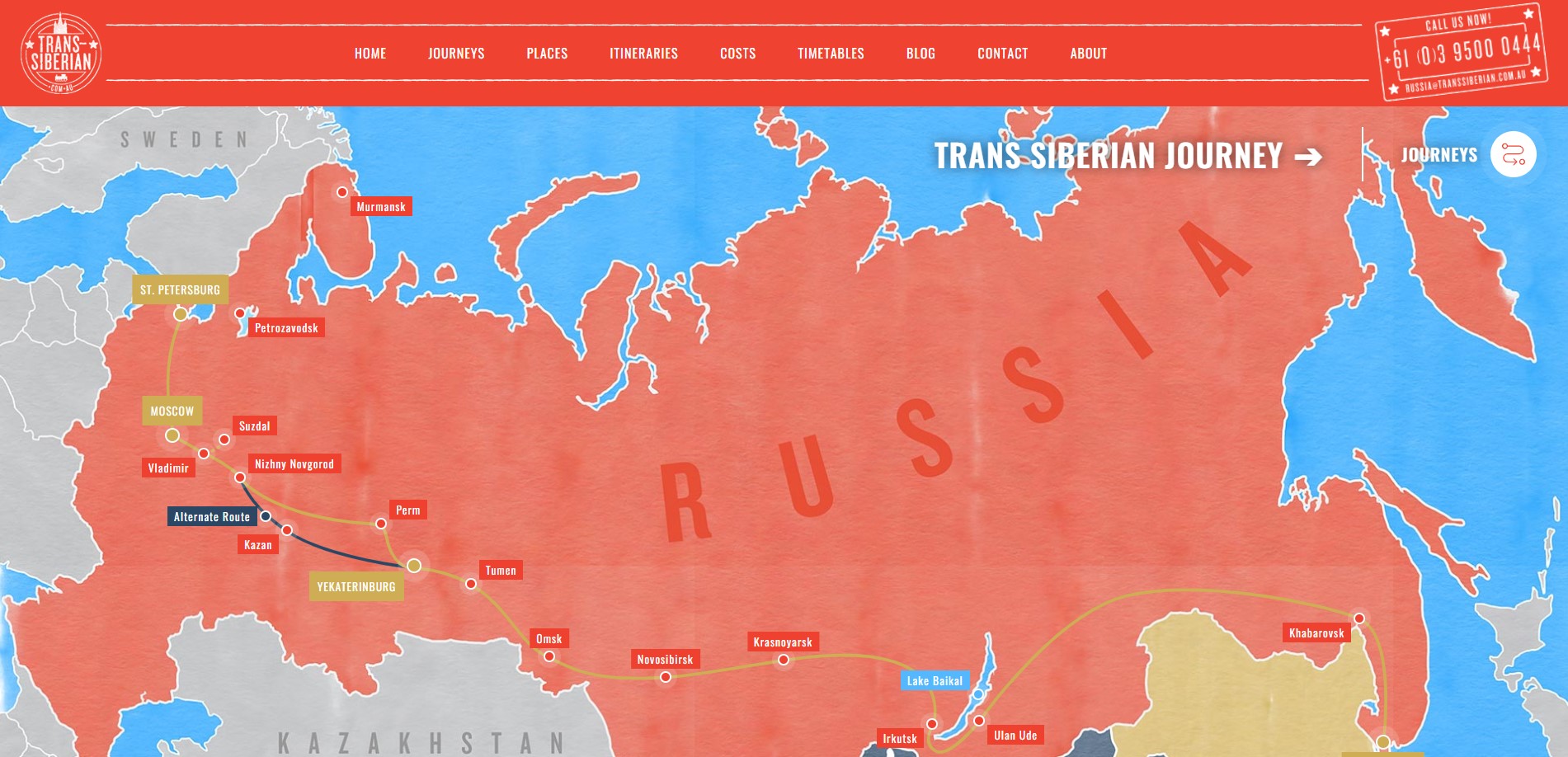
Tyumen, a city of 600 000 people, located 1800 kilometers east of Moscow and behind the Ural Mountains. It is the capital of the Tyumen Region (Oblast), a region that has seen significant economic growth over the past twenty years. This growth has been fuelled by the discovery and exploitation of significant oil fields.

Tyumen is a walking city. There are two main streets in the center: Respubliki and Lenina. Today's Tyumen is a city of contrast. Amongst wooden houses and old churches you will see the modern glass buildings of The World Trade Center and the Law Department of Tyumen State University as well as typical Soviet style neighborhoods with multistory apartment buildings. Tyumen is also an educational center, with more than 40,000 students.

Originally Tyumen was called Chimgi-Tura. The true "birthday" of the city remains unknown. Scientists believe that the history of Chimgi-Tura began in Central Asia with the merchants from ancient trade centers of Samarkand and Bukhara, who needed Siberian rivers to transport their goods to the Northern populations. For a long time Chimgi-Tura was the capital of Tyumen Khanate, which was a part of the Mongolian Golden Horde Empire. With time Chimgi-Tura was renamed Tyumen, a Mongolian word meaning "Ten thousand people."

As a Russian city, Tyumen was established in 1586, when the first military mission sponsored by the Russian Tsar and led by Ermak, mainly to respond frequent attacks of Khan Kuchum, seized the city.

For the past three centuries, up until the 1960s, Tyumen was a quiet provincial Siberian city. Most of its inhabitants lived in wooden houses along the Tura and Tyumenka rivers, for which it became known as the "capital of villages." Being a major transportation point to Eastern Siberia and Far East of Russia, Tyumen has experienced all major historical events in Russia. It has seen the Decembrists on their way to exile in Irkutsk, Tsar Nicholos II and his family to their final destination of Ekaterinburg, Revolution turmoil, Civil War, bloody uprisings against the new Bolshevik food policy (prodrazverstka), GULag prisoners, and more. During WWII Lenin's coffin was kept for safety reasons at the Regional museum of Tyumen. Many famous people were born or studied in Tyumen. Among them is the famous writer M. M. Prishvin. His essays about nature are filled with harmony and the art of word.

Special attention must be given to the most controversial figure in Russian history - Grigory Rasputin. His house can be visited in the village Pokrovskoe, near Tyumen. It is believed that "the devil monk" was born sometime between 1864 and 1872. Rasputin was a poor, drunken, dirty and unruly man. He used extremely foul language. But there was one mysterious thing about him. People claim that he had great powers. Many said that he was a healer and also a prophet. During his twenties, Rasputin supposedly became a holy man after a long religious conversation with one of his superiors. He lived off the charities of the people who admired him for his asceticism. It is said that one time Rasputin accurately predicted a three month drought. This mystic from Siberia arrived in St. Petersburg in 1911 and within a few years had become one of the most influential men in government circles.

Things to do!!!!

The Dash!
Soak and freeze your shoes
Plastic Palm Trees??

The winters are cold in the city and outlying regions. However, they have one attraction that helps to cope with the winter, being open air hot springs. Thousands of people gather there, both locals and visitors from as far as Yekaterinburg and Moscow. this is truely a way to experience the contrast of the cold Siberian winter (-20 + or - ) with the hot spring water (55 C).

It is considered fun to change to your swim ware in the car and then dash to the water (100 m) from the parking are. Then after swimming just taking a few steps out of the water means the water residue on your body turns into solid ice instantly. Good theraputic skin pore treatment we are told!